

The Resurgence of Cacao
Caroline MacDougallI have to confess. I am a weekday afternoon chocoholic. Ok, I’ve said it. I just love to have a square (or two) of dark chocolate (>70% cacao) sometime after lunch when I’m at work. Interestingly, I don’t feel that same desire when I’m at home on the weekends. So why at work?
Cacao, the seed that produces chocolate, contains a mild stimulant called theobromine. It also has a smaller amount of caffeine which is why I can’t consume more than a maximum of 2 squares without risk of over-stimulation.
Theobromine, along with other compounds in cacao, produces a mild euphoric effect that enhances memory and cognition. That afternoon pick-me-up from dark chocolate helps me focus and cheerfully get on with the rest of my workday!
The origin of cacao

Cacao’s Latin name, Theobroma cacao, translates to “Food of the Gods”. It combines the word, Theobroma, from the Greek “theos” for God and “broma” for food, with the Aztec name for cacao, “Xocolati”. The latter looks quite a lot like the word chocolate, doesn’t it?
Originally native to the Amazon in southeastern Ecuador, cacao was cultivated by the Mayo-Chinchipe tribe 5,300 years ago. The seeds made their way to Mesoamerica where cacao was worshipped by the Maya in the Yucatan, the Olmecs in Veracruz and eventually the Aztec civilization in central Mexico.
The Spaniards were introduced to cacao by the Aztecs when they first arrived in Mesoamerica. They reported that a frothy bitter brew of cacao seeds was drunk at every meal in gold goblets by the Emperor, Moctezuma ll, and his ruling class. Drinking cacao was integral to their ceremonies and the seeds were also traded as a currency for goods.
Cacao beverages vs hot chocolate

Most of us now think of hot chocolate as the drink made from cacao. The Aztecs wouldn’t recognize it though.
First, hot chocolate’s main ingredient is sugar which overcomes cacao’s natural bitterness making it more palatable to our sweet-loving culture. Second, the wellness properties of cacao have been greatly diminished through a process called alkalization turning it into “cocoa”, the commonly used term for alkalized cacao on hot chocolate labels.
Treating cacao via an alkaline process converts epicatechin into catechin, a form the body absorbs far less effectively, and strips out up to 90% of cacao's beneficial antioxidants and polyphenols. It also reduces the protein content by 10-15%. The result is an ingredient that has traded its nutritional value for taste appeal — dissolving more easily, tasting milder, and looking darker brown. In short, alkalized, AKA “Dutched”, cocoa is a highly processed shadow of its former self.
People interested in the health value of cacao prefer to drink it in its natural unprocessed form. Natural cacao is rich in epicatechin, a powerful flavanol antioxidant responsible for the heart-healthy properties found not just in cacao, but also in green tea, berries, grapes, apples, cherries, ginger, and carob. Cacao also has mood-enhancing properties!
Ceremonial cacao rediscovered

Taking a cue from the Aztecs, there is now a resurgence of appreciation for cacao in its natural, fermented form with its high cacao butter fat left intact. You may hear of ceremonies being conducted in your community where solid cacao chunks are melted to make a thick, rich brew with all its natural butter fat. Ceremonial practitioners are following in the footsteps of the Aztecs by combining cacao with other flavoring herbs and spices like vanilla, rose petals, chiles and lightly sweetening it with honey or agave.
The bliss-provoking effects of cacao is integral to these ceremonies. Theobromine stimulates the production of dopamine and serotonin, the feel-good, mood-enhancing neurotransmitters. Anandamide, called the bliss molecule, is another neurotransmitter in cacao that attaches to the body’s cannabinoid receptors in the brain producing feelings of pleasure. Phenylethylamine, or PEA, is responsible for chocolate’s reputation for producing feelings of love because it further activates the production of dopamine and endorphins, the body’s natural pain killers.
All in all, a brew worthy of the gods!
Cacao powder versus cacao nibs

While most of these cacao ceremonies use whole cacao chunks or ‘nibs’, powdered cacao actually delivers more of the beneficial compounds. By removing most of the butter fat, these bliss-producing compounds are concentrated, increasing the levels of theobromine and its other mood-altering compounds. You’ll get a better ‘high’ from a beverage made from a high quantity of cacao powder, lightly sweetened to be more enjoyable, than you will from melting cacao chunks or nibs.

In Teeccino’s beverages, I’ve selected a high fat (natural of course) cacao powder from its native region, Ecuador and Peru, to produce a rich-tasting, bliss-stimulating chocolaty brew in all our blends.
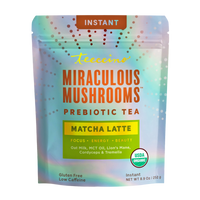
Our new Instant Miraculous Mushrooms Cacao+5 contains a high amount of this cacao powder combined with 5 adaptogenic wellness mushrooms: lion’s mane, reishi, chaga, turkey tail and cordyceps. With a history of revered value similar to cacao, these mushrooms further enhance the wellness effects like cognition, immunity and energy. Cacao ceremonialists – serve Cacao+5 in your next gathering!
Cacao Cafés on the horizon

During a recent trip to the Yucatan peninsula in Mexico where I visited two communities involved in the harvest of ramón seeds (our core ingredient in our dark roasted blends), I was inspired by a local cacao café and all the ways they were serving cacao drinks. Having recently launched Miraculous Mushrooms Cacao + 5, it was so exciting to see a whole café devoted to the seed of this amazing fruit!
I ordered a delicious, chocolaty cold brew of cacao that was lightly sweetened (with sugar not honey, sigh) and flavored with vanilla, chiles, and orange oil, similar to how Moctezuma consumed his cacao. (Hey, it’s hot in Mexico so they drank it cold!) The café called it Maya Cacao.
Just a bit of history, I originally called Teeccino Mexican Chocolate blend “Maya Chocolate” with its spike of heat from chiles but I was ahead of my time – ‘Mexican’ is more familiar to most consumers. Now maybe I should revert to its original name!

My entrepreneurial spirit was seriously stimulated by seeing this café with all of its cacao beverages choices, its beautiful packaging on a wide variety of chocolate products. Up here in North America, heavily sweetened and alkalized ‘hot chocolate’ is the only choice in coffee bars. But I detect a trend coming soon!

If you’re visiting Cancun or Playa del Carmen, look for "Ah Cacao Café" to have a delicious indulgence that will leave you wishing there was a cacao café near you. I’d be a frequent customer!
In the meantime, you can enjoy Cacao+5 at home instantly by simply stirring a scoop of the cacao-rich powder into a cup or glass and add hot or cold water. You can simply stir it vigorously or for a frothy effect, use a hand-held frother to whip up a frothy foam. You’ll be experiencing the mood-enhancing effects of cacao with its pleasure-stimulating compounds and you don’t need to be in a ceremony to imbibe it.

1 comment
Awesome article
Will try this